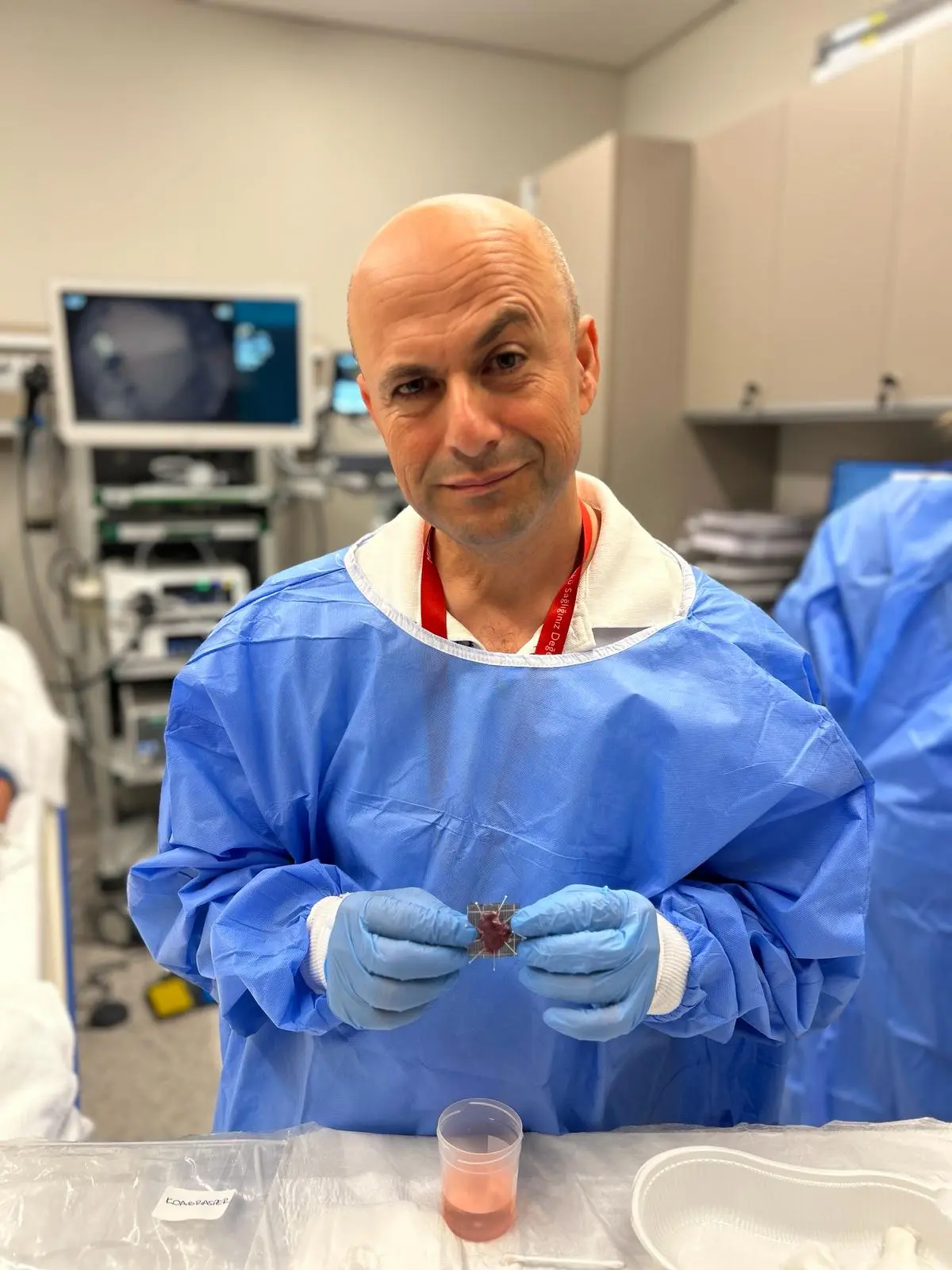
A motility disorder in which the lower oesophageal sphincter fails to relax properly, causing swallowing difficulty. Symptoms alone do not establish the diagnosis; a targeted clinical assessment is needed.
What is it?
A motility disorder in which the lower oesophageal sphincter fails to relax properly, causing swallowing difficulty.
Similar symptoms can occur in different digestive disorders, so online information cannot provide a diagnosis. Duration, triggers, weight change, medicines, family history and previous tests are considered together.
Evidence map for this guide
The organisations and guidelines used for each section are mapped below.
Overview3 sources
Diagnosis2 sources
Treatment5 sources
Follow-up6 sources
Urgent warnings1 sources
Why does this condition matter?
Achalasia should be assessed in context because gastrointestinal symptoms overlap. The main objective is to identify warning features, avoid unnecessary testing, recognise conditions that need early intervention and create a follow-up plan the patient can understand.
Symptoms and reasons to seek care
Open any symptom to explore other possible causes and related patient guides.
Causes and risk factors
No single cause explains every patient. These factors are interpreted together with history, examination and testing.
- Age, family history and previous gastrointestinal diagnoses can modify risk
- Medicines, alcohol, smoking, metabolic disease and previous operations may be relevant
- Symptoms need to be interpreted with laboratory, imaging, endoscopy or pathology only when appropriate
- Persistent or progressive symptoms deserve reassessment even after a previously normal test
Diagnostic pathway
Not every patient needs every test. The aim is to answer the clinical question in the safest, most useful sequence.
- Focused history and physical examination
- Targeted laboratory or stool tests when appropriate
- Endoscopy, imaging, functional testing or biopsy only when indicated
See the diagnostic journey visually
This diagram does not diagnose; it shows how information is organised step by step during a gastroenterology assessment.
| Stage | Question answered | Why it matters |
|---|---|---|
| History | What pattern does the symptom follow? | Reduces unnecessary testing |
| Testing | Which finding would change management? | Puts the right test in the right order |
| Follow-up | What should improve and when to reassess? | Reduces uncertainty |
Conditions that can look similar
Differential diagnosis is not about ordering more tests; it is about separating conditions with similar symptoms in the right sequence.
- Other disorders in the same organ system that can produce similar symptoms
- Medicine-related or metabolic causes
- Functional gastrointestinal disorders when structural disease has been appropriately excluded
- Urgent causes when bleeding, obstruction, infection, jaundice or rapid deterioration is present
Treatment options
Nutrition and return to daily life after treatment
Nutrition depends on the condition, the treatment performed, comorbidities and discharge instructions. The framework below is general information; your written clinical plan always takes priority.
Advance from liquids to soft and then usual food only at the pace advised. Do not force intake when nausea, dysphagia or pain is present.
Adequate fluids, tolerated smaller portions and monitoring individual triggers are a safer starting point in many settings; specific restrictions vary by condition.
Seek medical advice before routine follow-up if you cannot keep fluids down, have repeated vomiting, increasing abdominal/chest pain, fever, significant bleeding or rapid deterioration.
Monitoring and long-term plan
Monitoring for Achalasia focuses on swallowing, reflux or chest symptoms, nutrition and any mucosal change seen at endoscopy. The plan states when endoscopy, physiology testing or imaging should be repeated.
Questions you may want to ask your doctor
- What are the most likely explanations for my symptoms and what needs to be ruled out first?
- Which test is most likely to change management and which tests can be avoided?
- Are there warning signs that should make me seek urgent care?
- If the first treatment does not work, what is the next step?
- Do I need surveillance or repeat endoscopy/imaging in the future?
How to prepare for your visit
Keep a symptom record
Note timing, relation to meals, night symptoms, bowel changes, weight change and medicines already tried.
Bring complete records
Bring previous endoscopy, pathology, imaging, blood results and a current medicine list.
Know your family history
Report gastrointestinal cancers, polyps, coeliac disease, inflammatory bowel disease and liver disease.
Write down questions
Ask what diagnoses are being considered, why each test is proposed, alternatives and follow-up.
When should I seek urgent help?
If any of the following occurs, do not wait for a routine web response; seek urgent medical care where you are.
- Severe or rapidly worsening pain
- Vomiting blood, black stool or heavy rectal bleeding
- New jaundice, fever or chills
- Fainting, confusion or breathing difficulty
- Persistent vomiting, dehydration or rapid deterioration
Videos, Reels and visuals about this topic
Only media linked to this condition or procedure is shown. Video players load only after you choose to watch, keeping the page fast.

Press and interviews about this topic
These press items are directly linked to the condition, symptom or procedure on this page.
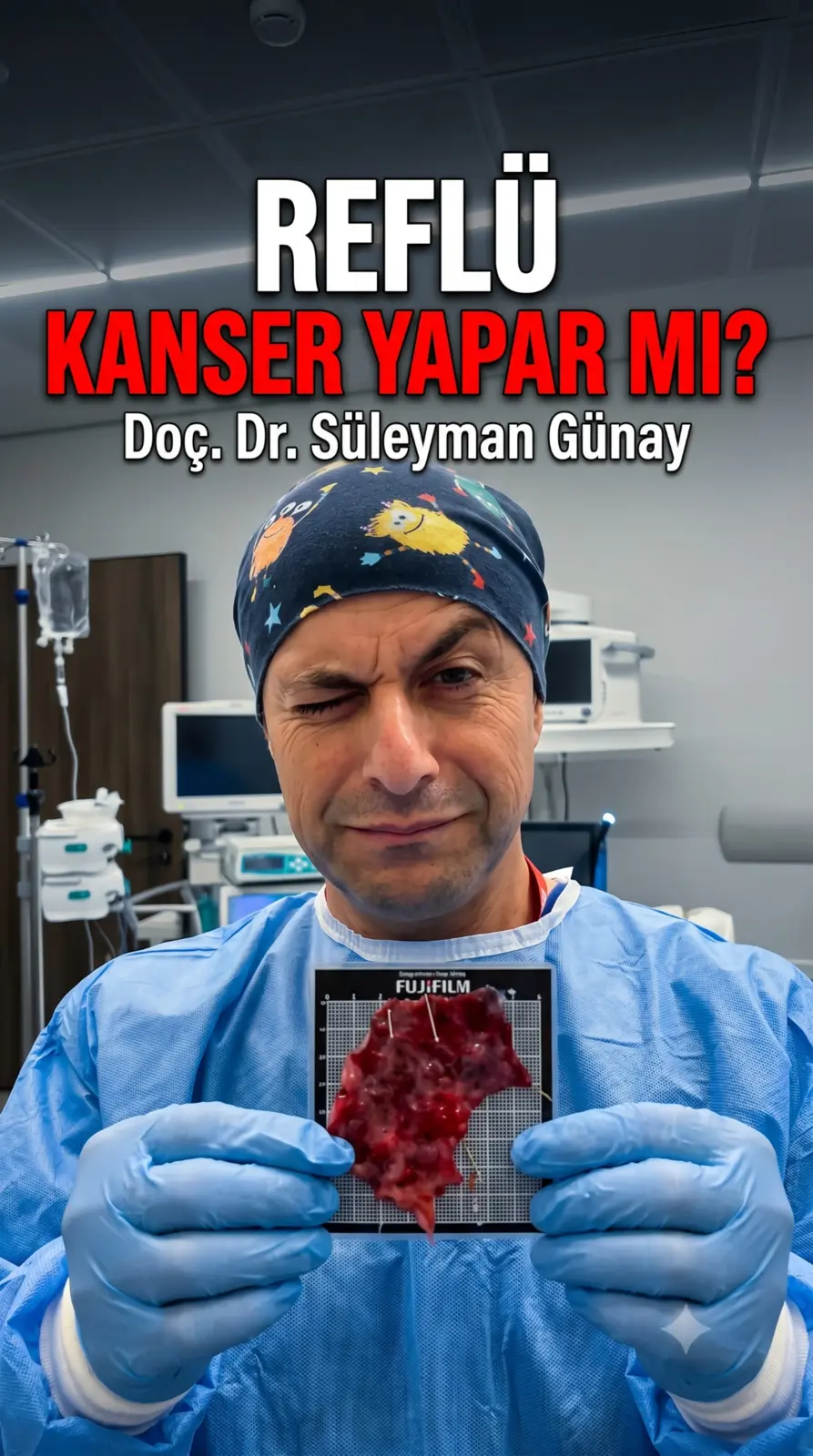
A POEM pathway for achalasia in a patient with severe heart failure
The story describes multidisciplinary risk assessment followed by POEM, enabling a patient with advanced heart failure and achalasia to eat and take medicine again.
Open source ↗
POEM after delayed recognition of achalasia
The university report follows a patient with Down syndrome, swallowing difficulty and nocturnal cough from the diagnosis of achalasia through recovery after POEM.
Open source ↗Endoscopic POEM after an achalasia diagnosis
Coverage described a young patient whose symptoms persisted despite reflux and gastritis treatment, followed by an achalasia diagnosis and POEM performed by Assoc. Prof. Günay.
Open source ↗Frequently asked questions
How is the diagnosis confirmed?+
The pathway depends on the condition. History and examination may be supported by laboratory, endoscopy, imaging, functional tests or pathology.
Does every symptom mean this condition?+
No. Digestive symptoms overlap, so duration, warning signs and test results must be considered together.
Is endoscopy always required?+
No. The decision depends on age, warning signs, family history, prior results and the suspected diagnosis.
How long does treatment take?+
It ranges from a single intervention to longer-term medicine, nutrition and surveillance depending on the cause.
Author: Doç. Dr. Süleyman Günay
Medical review status: Awaiting physician verification
Last medical review: 2026-09-13
Read our medical content and evidence policy →
Scientific References
Official guidelines, scientific articles and patient information sources used for this page. Source links open in a new tab.